Why Hair Falls — and How Nature Helps It Grow
A clear, honest guide to what really causes hair fall, how hair grows long, and exactly how the herbs inside Mahi Hair Oil support a healthier scalp — no false promises, just the truth.
Why Does Hair Fall Happen?
Losing 50–100 hairs a day is completely normal. Hair fall becomes a concern when you shed more than you regrow — and it usually has one of these honest, everyday causes.
Genetics & Hormones
The most common cause. A hormone called DHT can gradually shrink hair follicles in people who are genetically prone, leading to thinning over time.
Nutrient Deficiency
Low iron, protein, biotin, zinc or vitamin D weakens the roots. Hair is the first place your body cuts back when nutrition is short.
Stress & Sleep
High stress can push many follicles into the resting phase at once (telogen effluvium), causing sudden, temporary shedding.
Heat & Chemicals
Frequent heat styling, colouring, straightening and harsh sulphate shampoos damage the hair shaft and irritate the scalp.
Scalp Problems
Dandruff, fungal infection, excess oil or clogged follicles create an unhealthy base where new hair struggles to grow.
Poor Scalp Circulation
Roots are fed by tiny blood vessels. Weak circulation means less oxygen and nutrients reaching the follicle.
Illness & Postpartum
After childbirth, fever, surgery, thyroid issues or certain medicines, temporary heavy shedding is very common.
Pollution & Hard Water
Dust, pollution and mineral-heavy hard water leave residue on the scalp, making hair dry, brittle and prone to breakage.
The Hair Growth Cycle
Every strand goes through three phases. Understanding them explains why patience matters — and why a healthy scalp is the real secret to longer hair.
Anagen
Growth phase · ~85–90% of hair
The active phase, lasting 2–7 years. The longer your hair stays in anagen, the longer it can grow. A healthy scalp helps keep follicles here longer.
Catagen
Transition phase · ~1–2% of hair
A short 2–3 week phase where growth stops and the follicle shrinks and detaches from its blood supply.
Telogen
Rest & shed · ~10–15% of hair
A 3-month resting phase. The old hair sheds (losing 50–100 hairs a day is completely normal) and a new strand begins to grow.
How Our Herbal Oil Supports Your Hair
Mahi Hair Oil is not a medicine — it's a pure herbal oil that creates the best possible conditions for your hair to grow: a clean, calm, well-nourished scalp.
Weak, thinning roots
Bhringraj · Amla
Traditionally used to strengthen the follicle and reduce breakage at the root.
Dandruff & itchy scalp
Neem · Methi · Kalonji
Naturally cleansing and soothing — they help keep the scalp clean and calm so hair can grow on a healthy base.
Sluggish scalp circulation
Brahmi · Rosemary
Massaging these in is thought to stimulate the scalp and support blood flow to the roots.
Dryness & breakage
Coconut Oil · Aloe Vera
Deeply condition the hair shaft and lock in moisture, reducing split ends and snapping.
Dullness & early greying
Amla · Hibiscus
Long valued in Ayurveda for adding natural shine and supporting the hair's natural colour.
What's Inside — and What Science Says
We blend 15+ pure herbs. Here's an honest look at the key ones and what tradition and early research actually tell us.
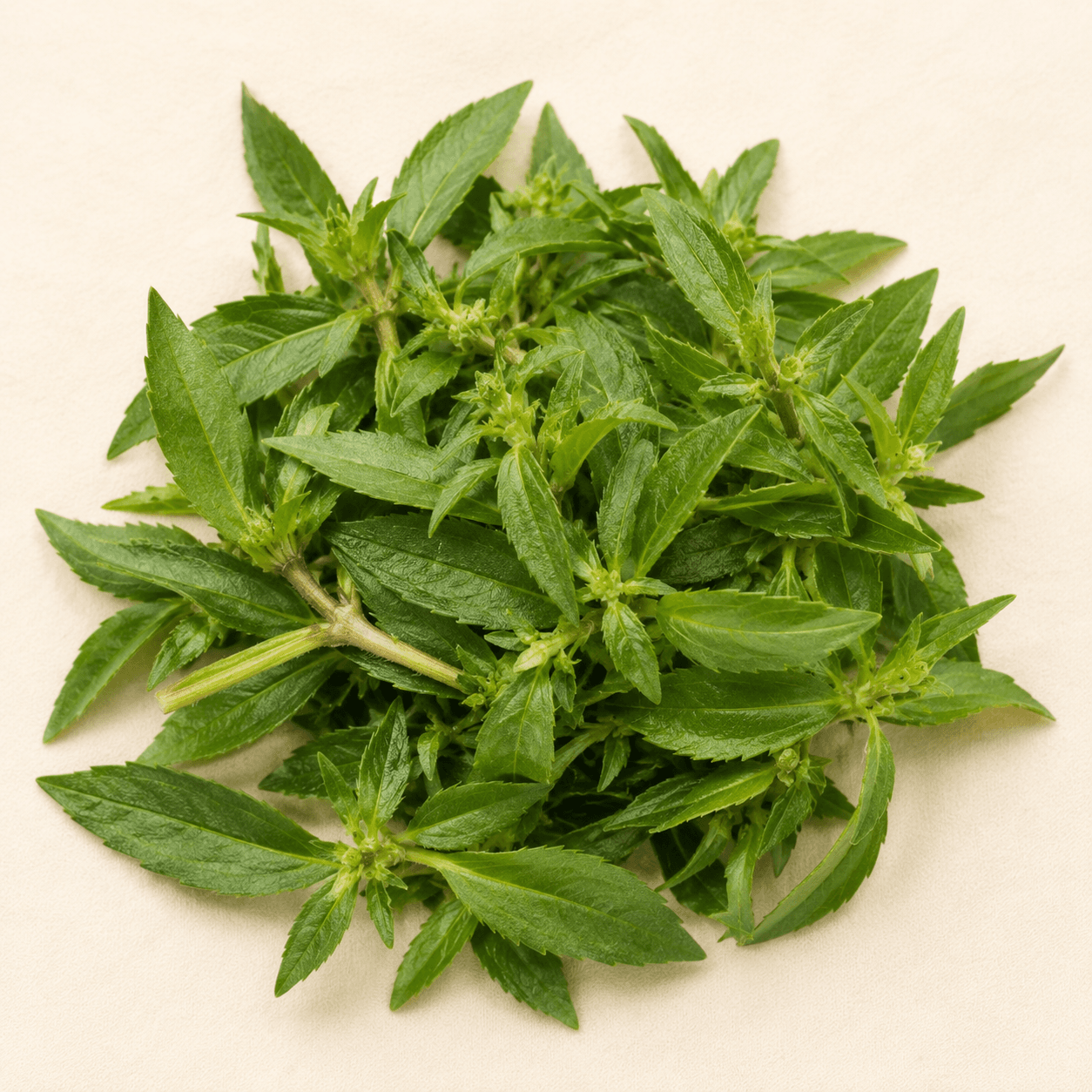
Bhringraj
Called the “king of herbs” for hair in Ayurveda. Early animal studies suggest it may support hair growth and root strength.
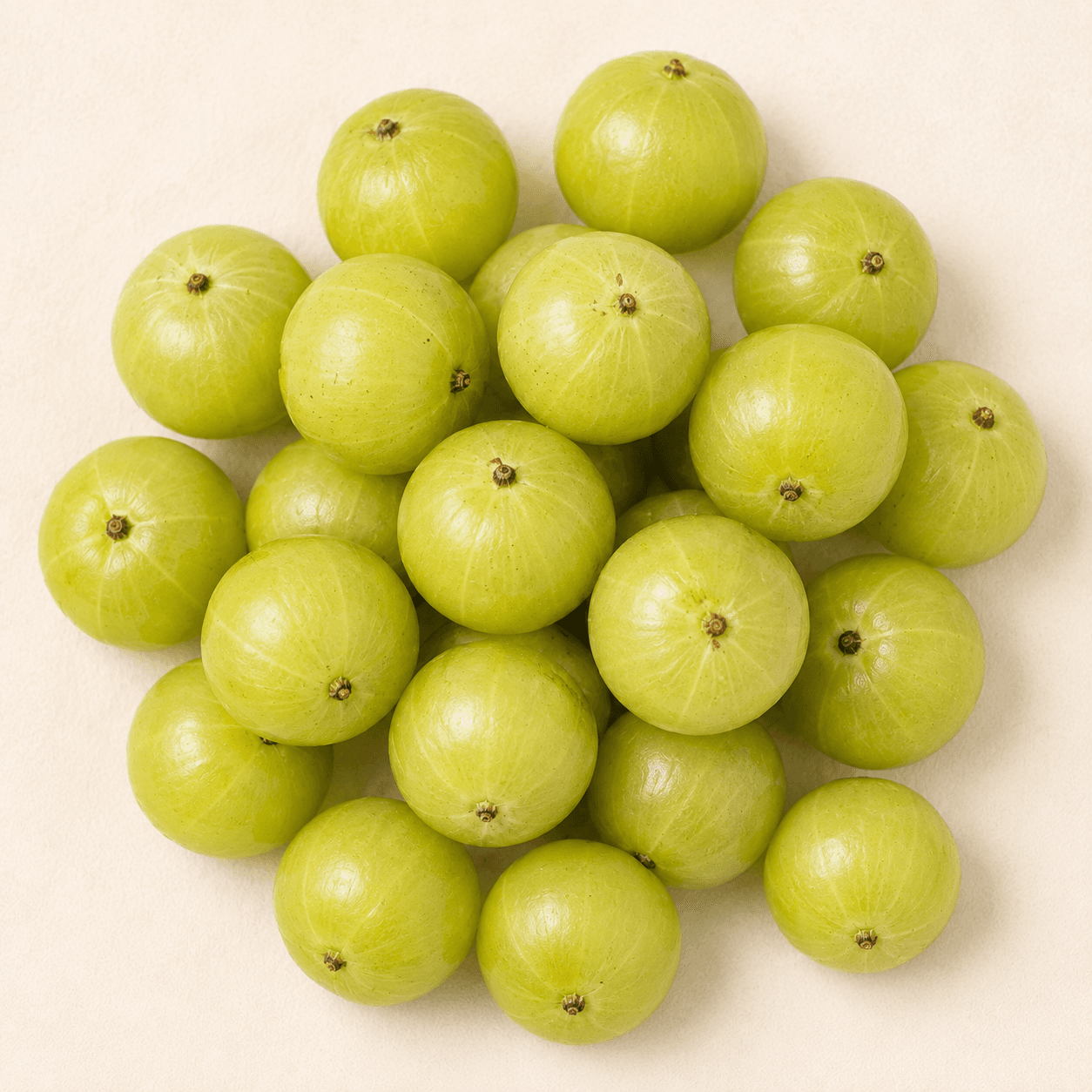
Amla
Rich in vitamin C and antioxidants — traditionally used to strengthen follicles, add shine and condition the scalp.
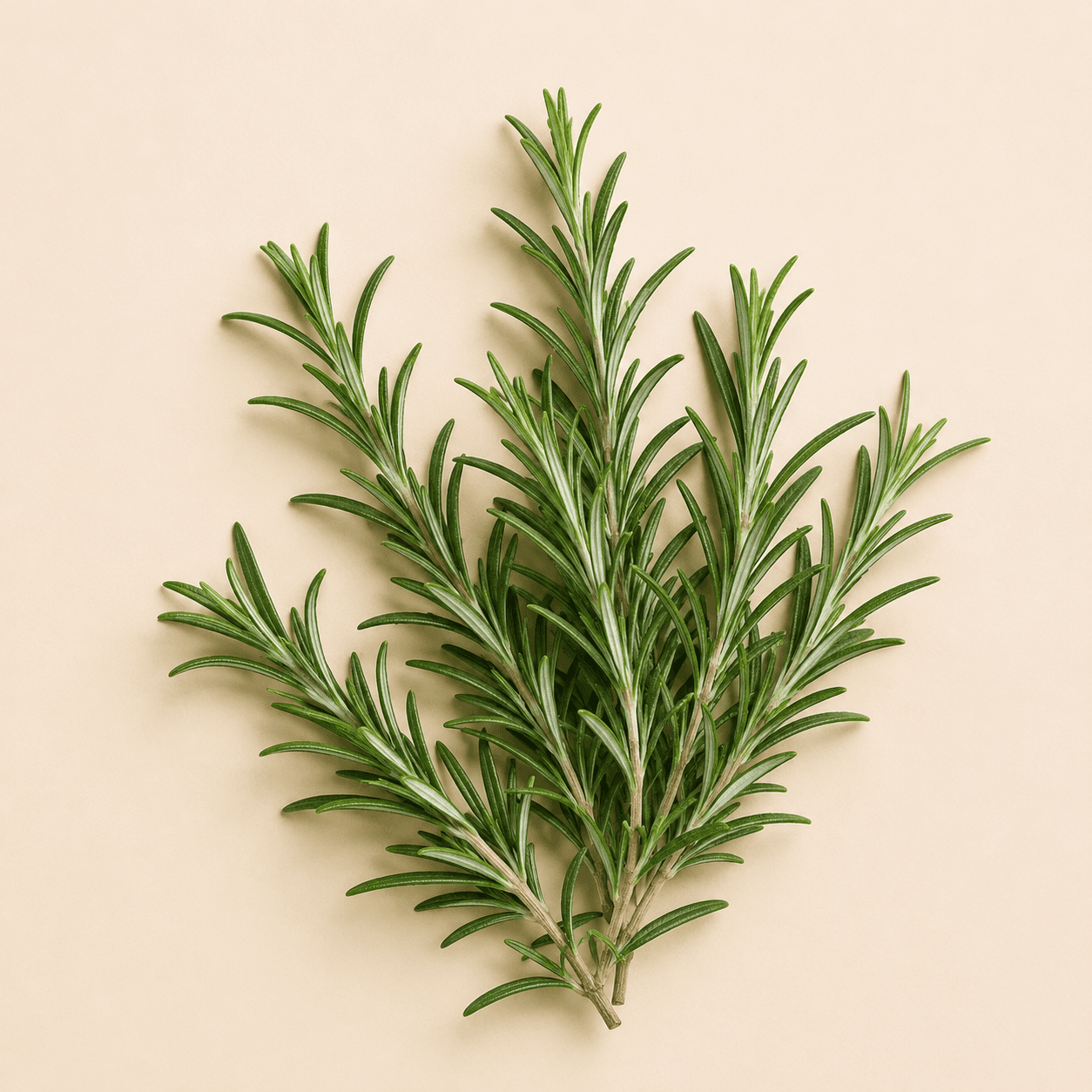
Rosemary
A 2015 study found rosemary oil performed comparably to a common growth treatment for some users over 6 months.
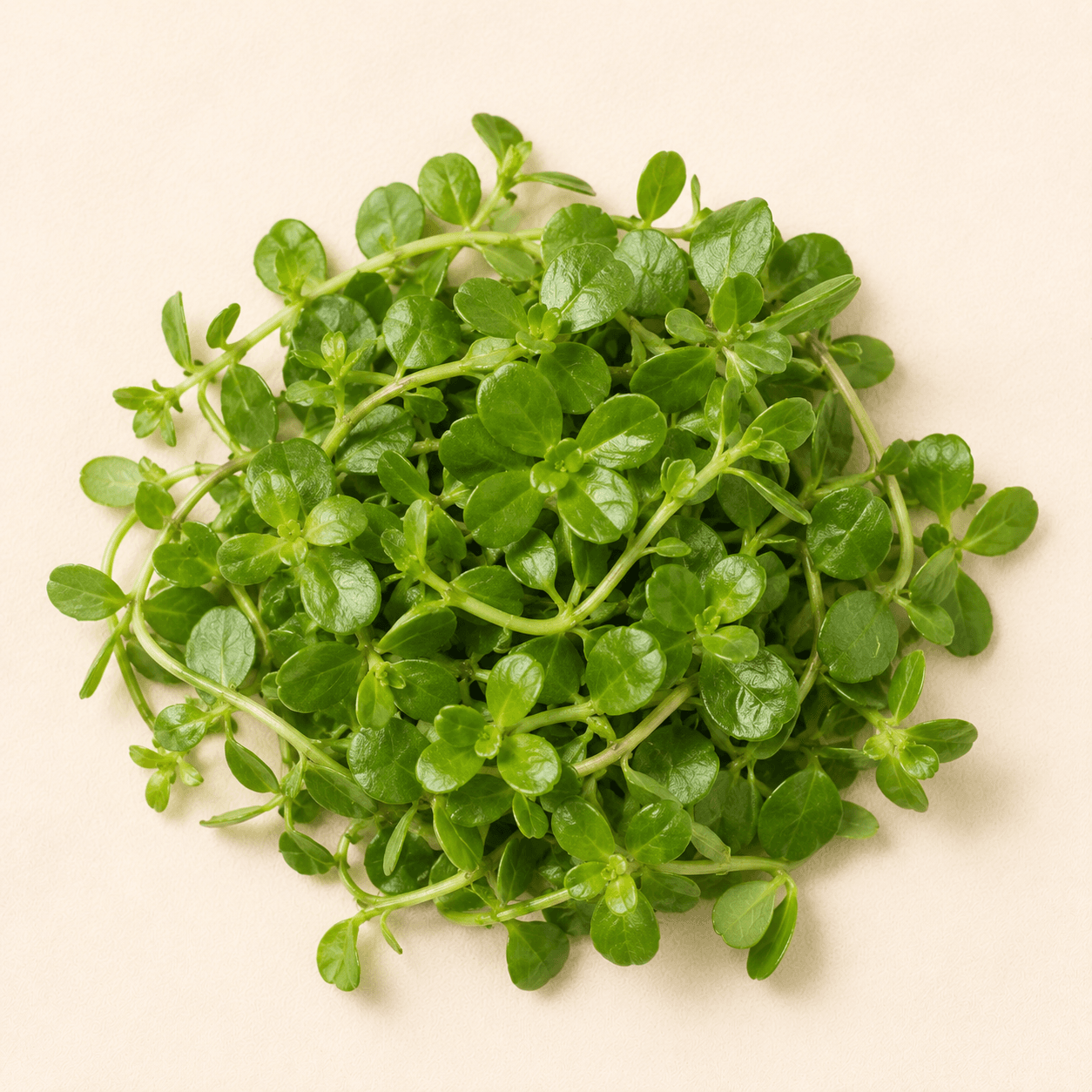
Brahmi
Used to calm the scalp and, through massage, support circulation to the roots.
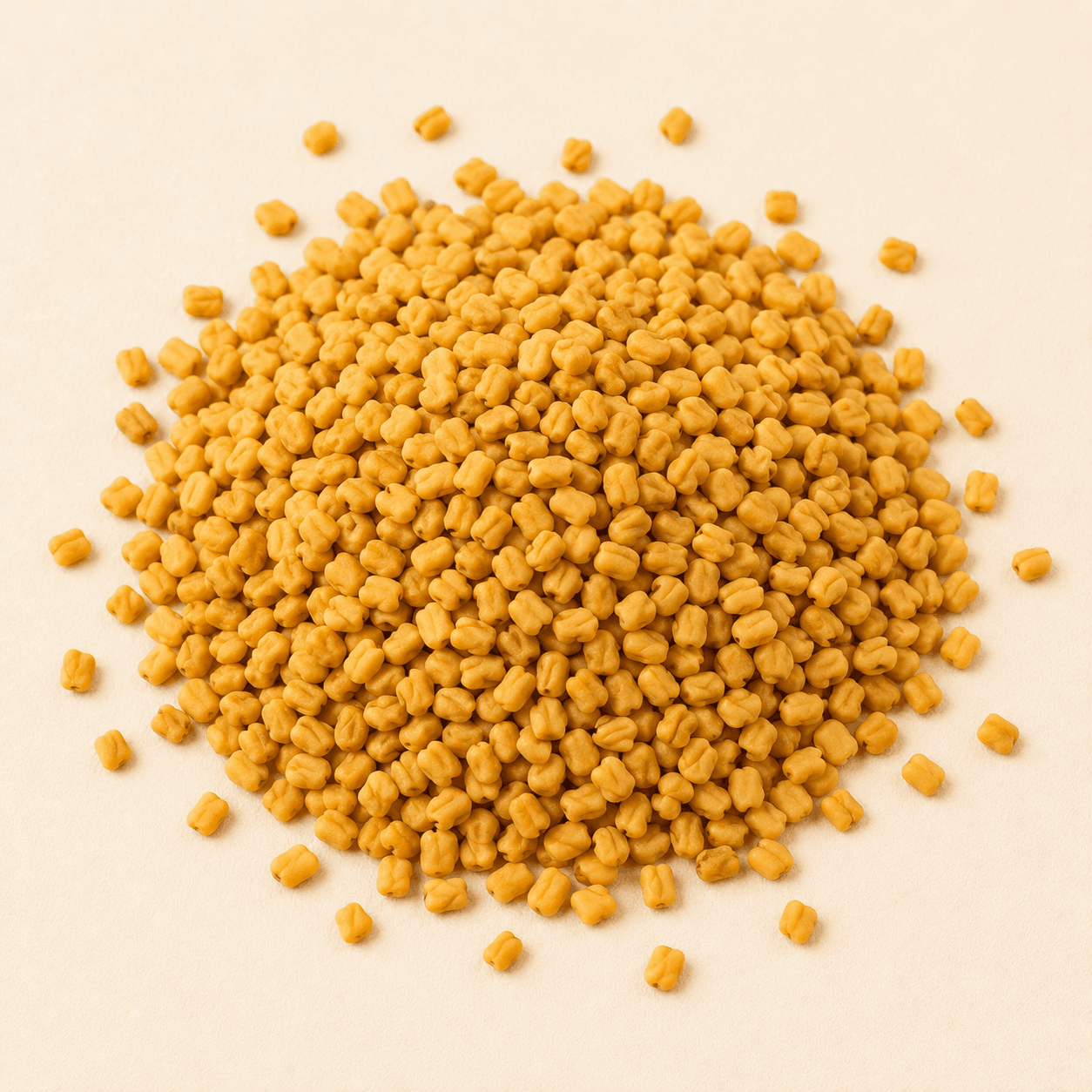
Fenugreek (Methi)
A traditional remedy for dandruff and weak roots, rich in proteins and nourishing compounds.
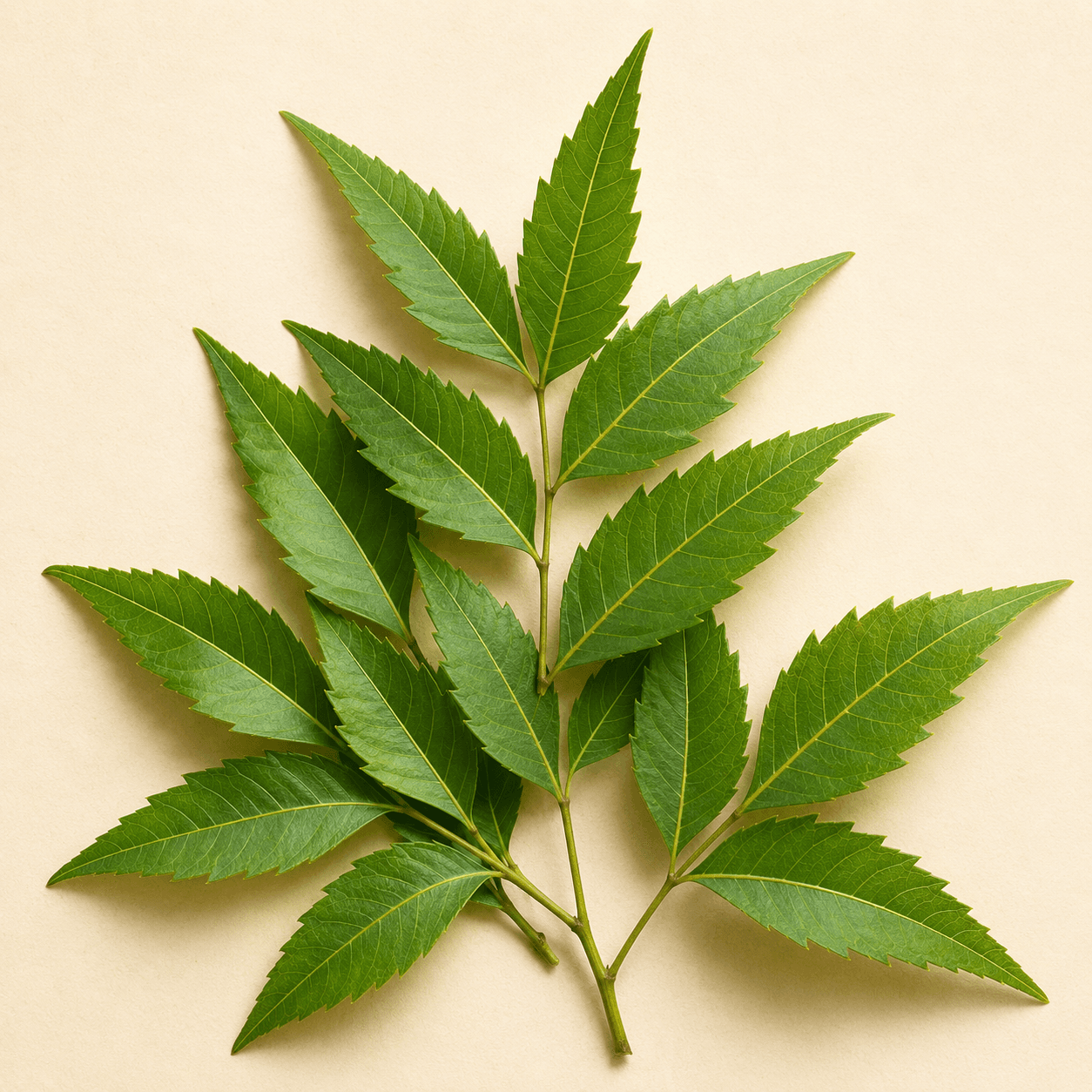
Neem
Naturally antibacterial and antifungal — helps keep the scalp clean and free of dandruff-causing buildup.
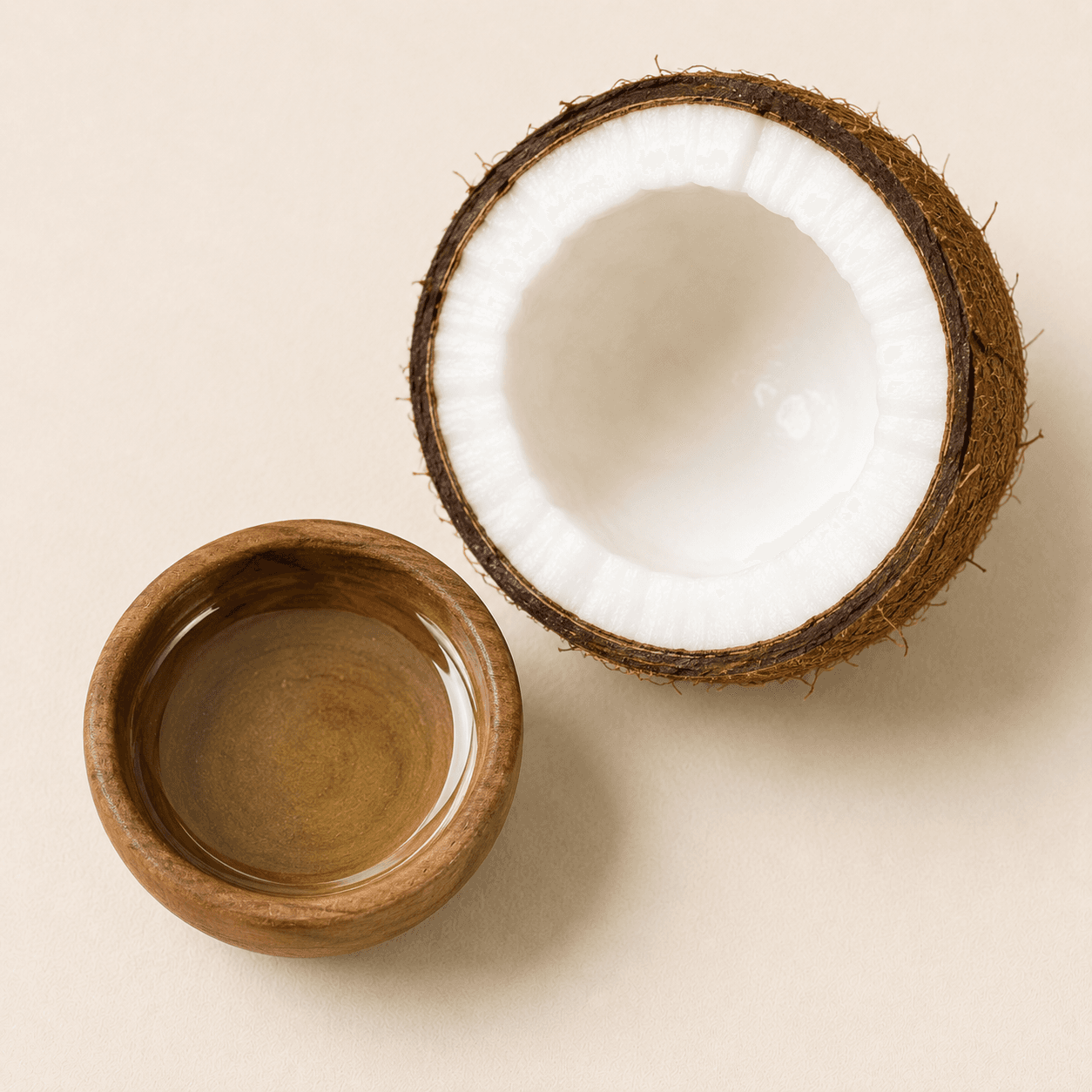
Coconut Oil
One of the few oils proven to penetrate the hair shaft, reducing protein loss and breakage.
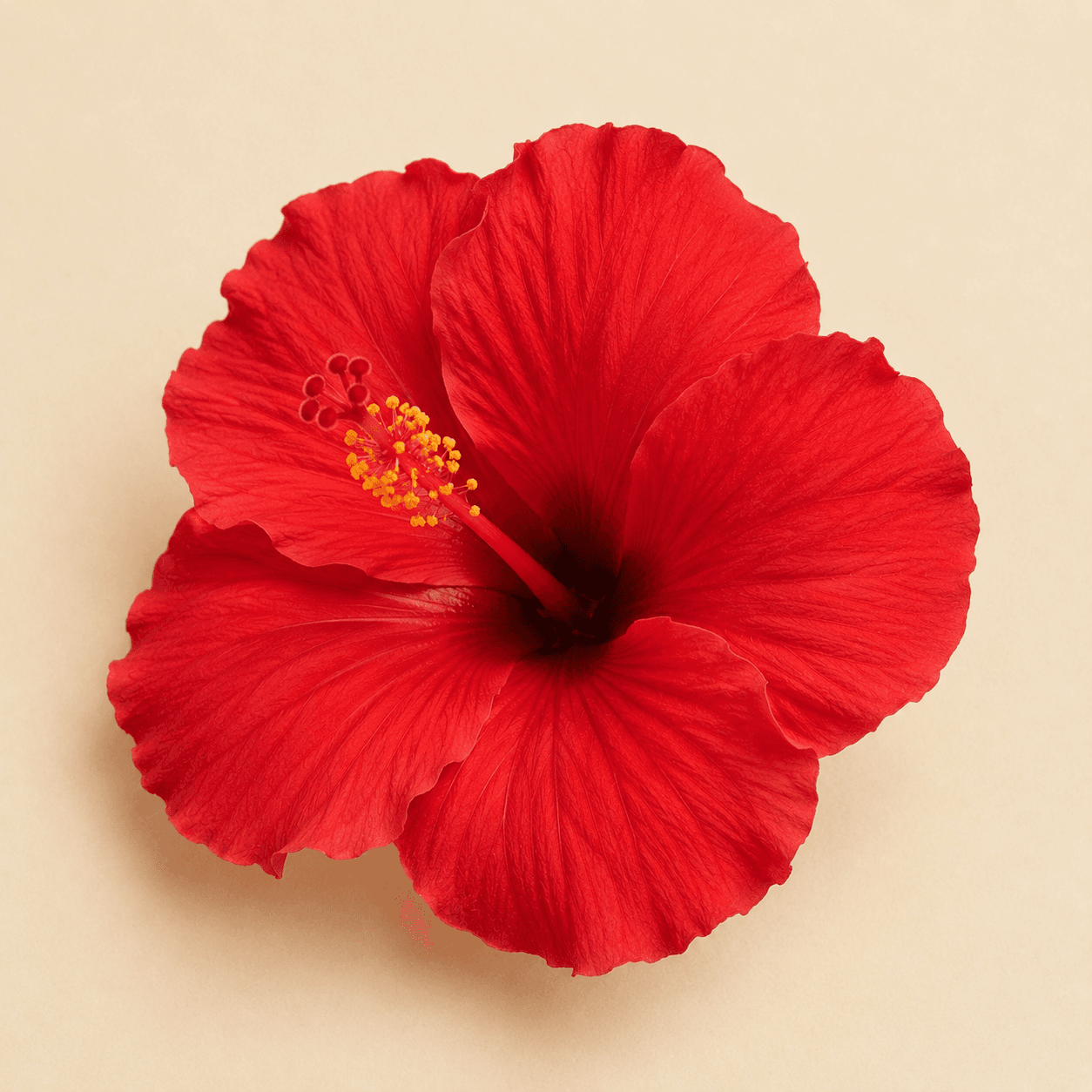
Hibiscus
Traditionally used to condition hair, add shine and support the natural colour and thickness.
What to Realistically Expect
Real, natural results take time. Here's an honest timeline based on consistent use — twice a week, every week.
Week 1–2
Scalp feels calmer and less itchy. Dandruff begins to reduce with regular oiling and washing.
Week 3–4
Many people notice less hair coming out while combing or washing.
Week 5–8
Hair feels softer, stronger and shinier; fine new growth may start to appear along the hairline.
Beyond 8 weeks
With consistent use plus good nutrition and sleep, hair looks visibly healthier and fuller over time.
7 Habits for Long, Healthy Hair
The best oil works even better with the right routine. These simple habits make a real difference.
Eat enough protein, iron and greens — hair is built from what you eat.
Oil and massage your scalp 2× a week to nourish roots and aid circulation.
Trim split ends regularly so breakage doesn't travel up the strand.
Go easy on heat styling, tight hairstyles and harsh chemical treatments.
Manage stress and sleep well — your follicles recover during rest.
Be consistent. Hair grows roughly 1 cm a month, so real results take patience.
Use gentle, sulphate-free, natural products that respect your scalp.
An Honest Note
Mahi Hair Oil, Shampoo and Mehandi are pure cosmetic herbal products. They nourish your scalp and hair and support a healthy growth environment — but they are not medicines and do not claim to cure medical hair-loss conditions like alopecia or hormonal baldness. Results vary from person to person and depend on your body, diet and consistency. If you have sudden or severe hair loss, please consult a dermatologist. We'd rather tell you the truth than make a false promise.